Amanda Darling is a Postdoctoral Research Fellow at Harvard T.H. Chan School of Public Health, where she studies wastewater-based surveillance, antimicrobial resistance, and environmental health.
I am a research scientist dedicated to addressing pressing public health challenges by harnessing an underutilized resource: the minute molecular and chemical markers in water and wastewater. My dissertation work advances knowledge on estimated drinking water contaminant levels, exposures, and associated public health outcomes and corresponding research gaps in rural Appalachian U.S., and elucidates pathways toward best practices and considerations for public-health focused wastewater testing adoption in rural communities.
Spanning multiple research domains (wastewater surveillance, antimicrobial resistance and rural environmental health), my postdoctoral work integrates target agnostic omics-based analysis of water and wastewater microbiomes and multivariate statistical tools to inform the epidemiology of communicable and non-communicable diseases.
I also seek to transform the latest science into actionable information for the public and decision-making that directly affects the public: a goal that has ultimately led to developing data visualization expertise.
First-author publications
Peer-reviewed publications
Environmental samples analyzed
Wastewater samples collected
Students mentored
Advanced degrees (PhD, MPH, MS)
Years multi-omics data analysis
Research grant awarded
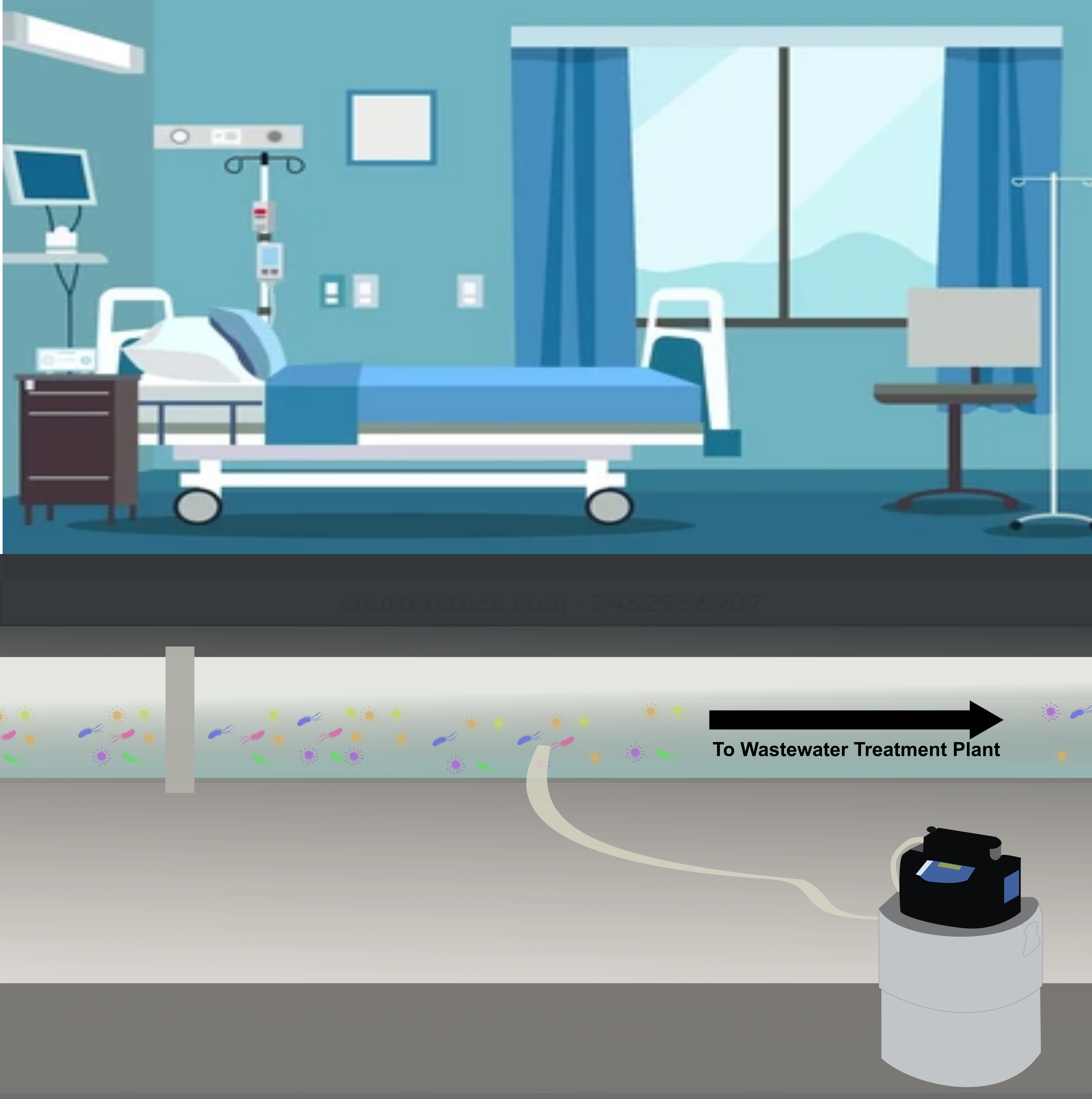
Since COVID-19, wastewater has provided a window into population-level infectious disease dynamics. However, as we expand wastewater-based surveillance (WBS) to bacterial pathogens and antimicrobial resistance, we ask: how do we distinguish between signals derived from active infection versus native sewer microbiota? My research harnesses hybridization-based probe capture enrichment metagenomic sequencing and bioinformatic tools to investigate this distinction and initiates a paradigm shift for WBS to be informed by in-sewer dynamics.
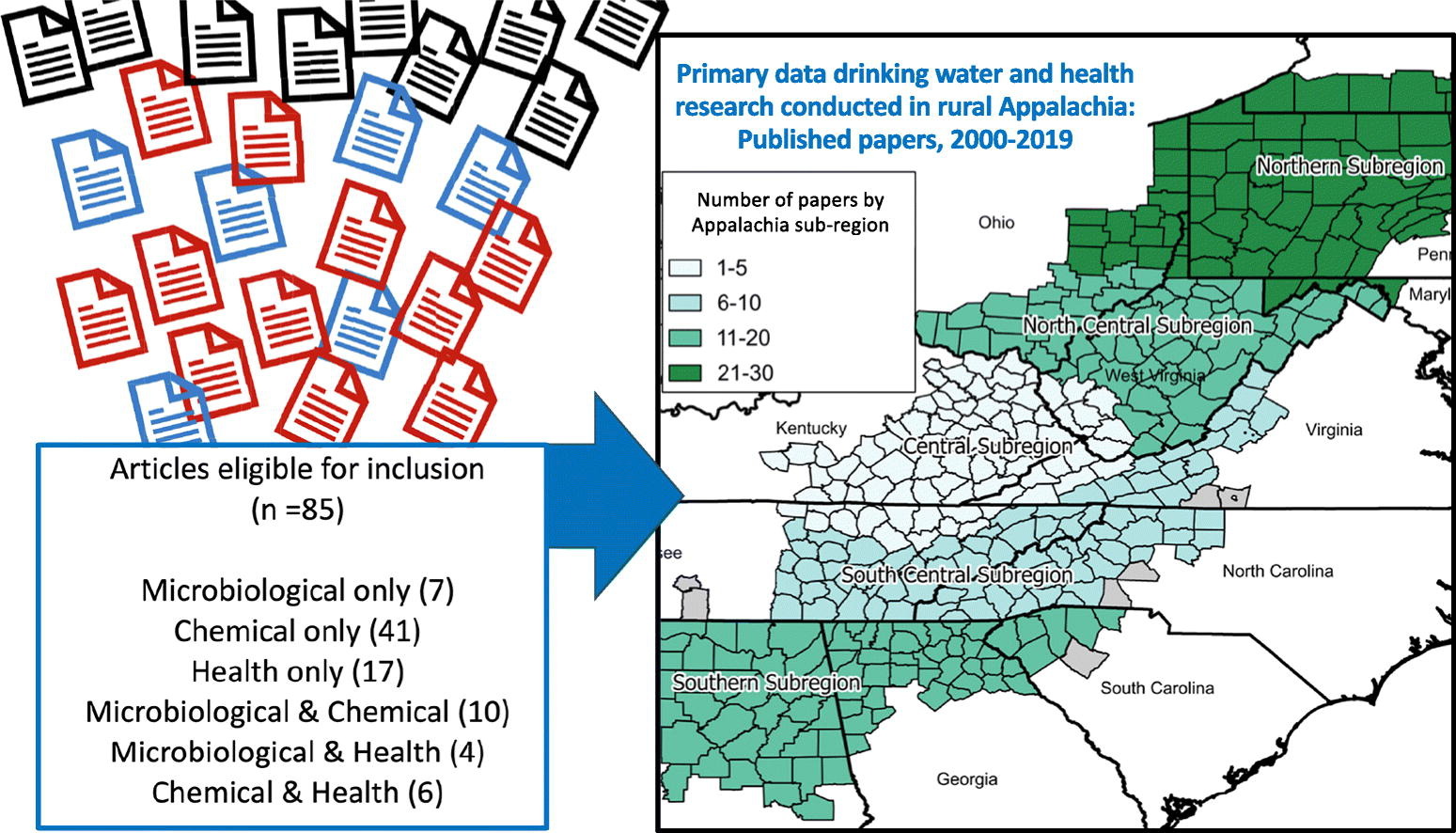
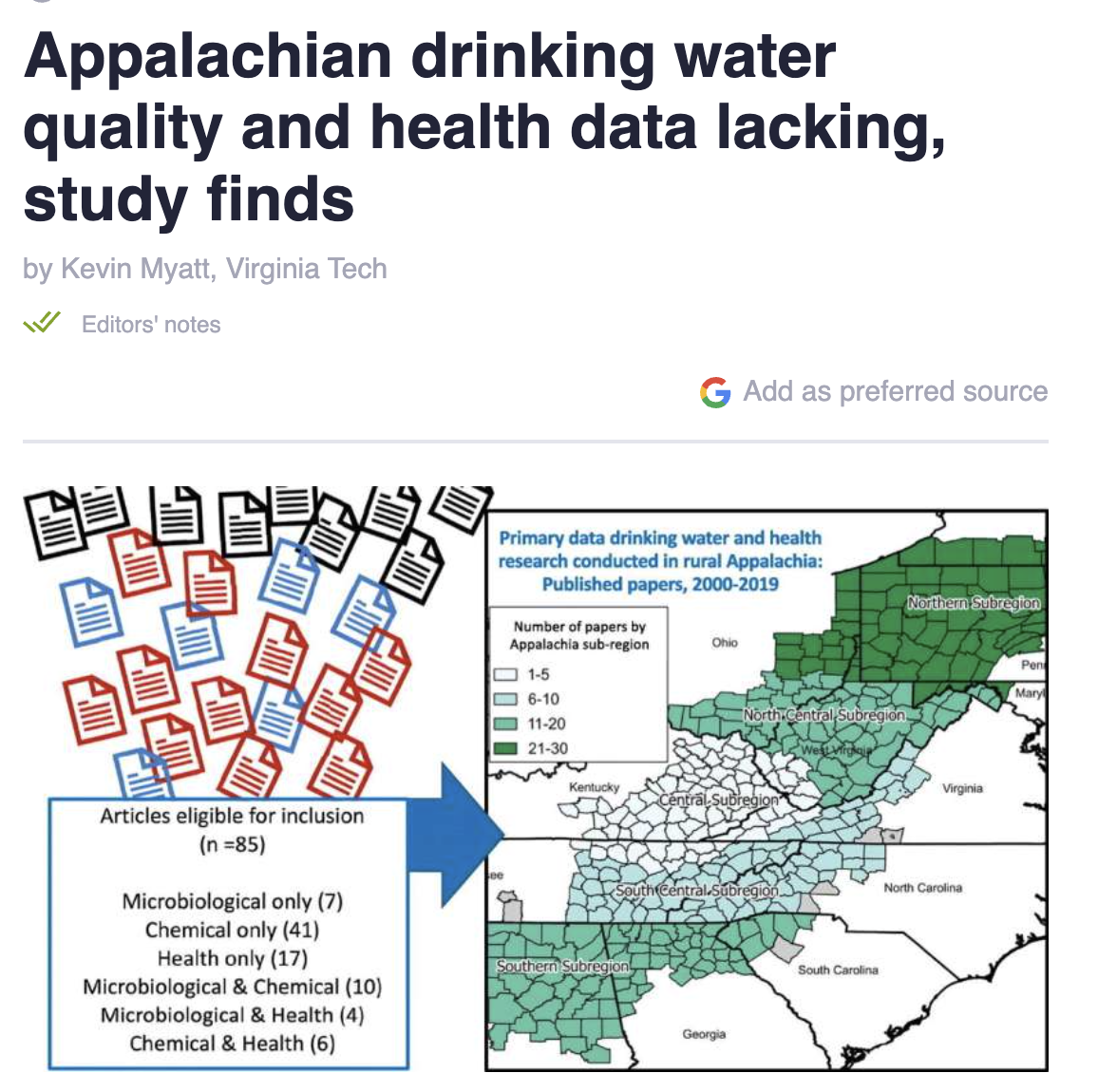
I led a systematic review and meta-analysis advancing knowledge on estimated drinking water contaminant levels, exposures, and associated public health outcomes and corresponding research gaps in rural Appalachian U.S. Overall, we found data on drinking water source quality under baseline conditions (i.e., rather than post anomalous contamination events such as chemical spills) in rural Appalachian U.S. was sparse relative to widespread media coverage on the issue.
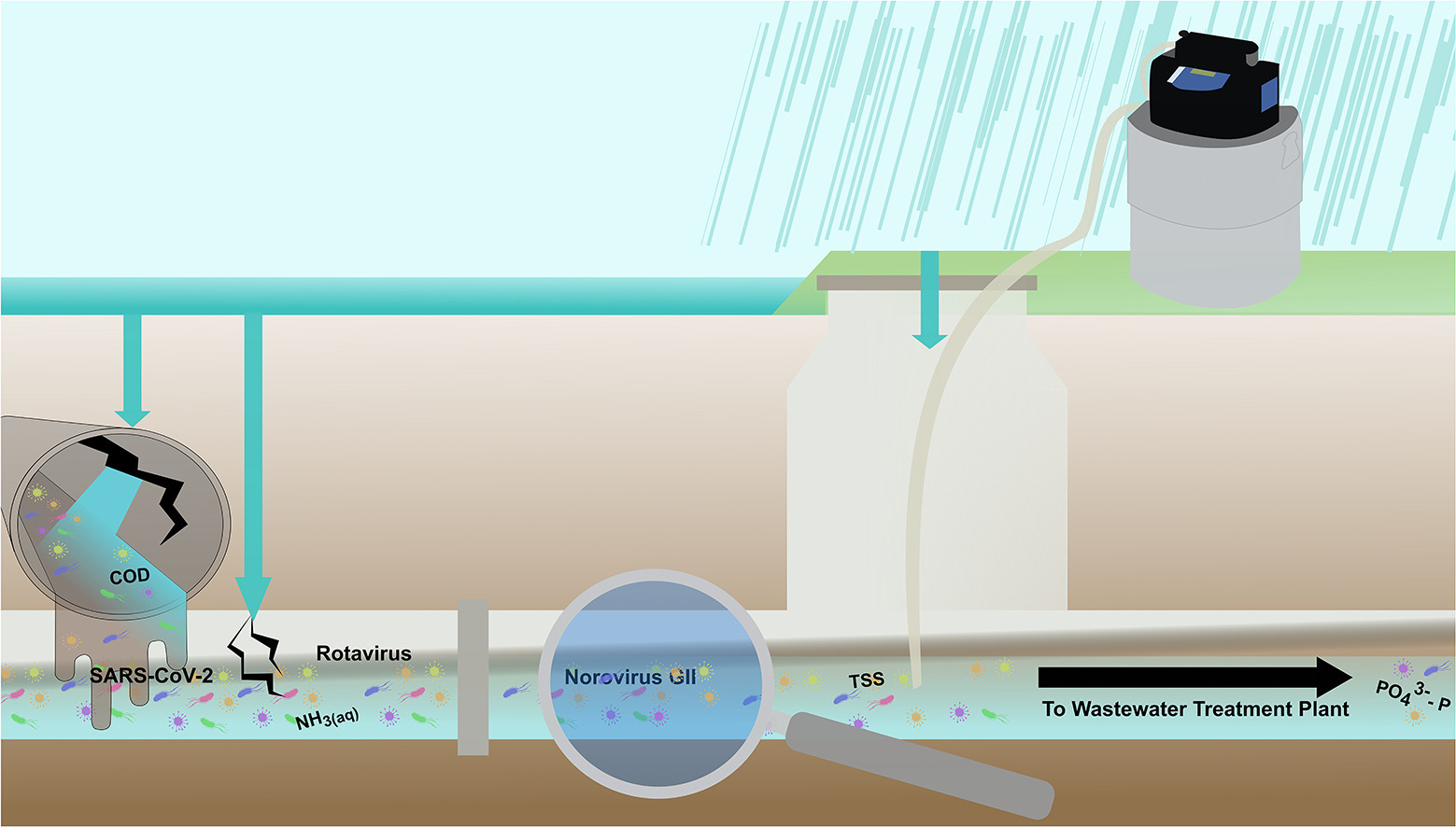
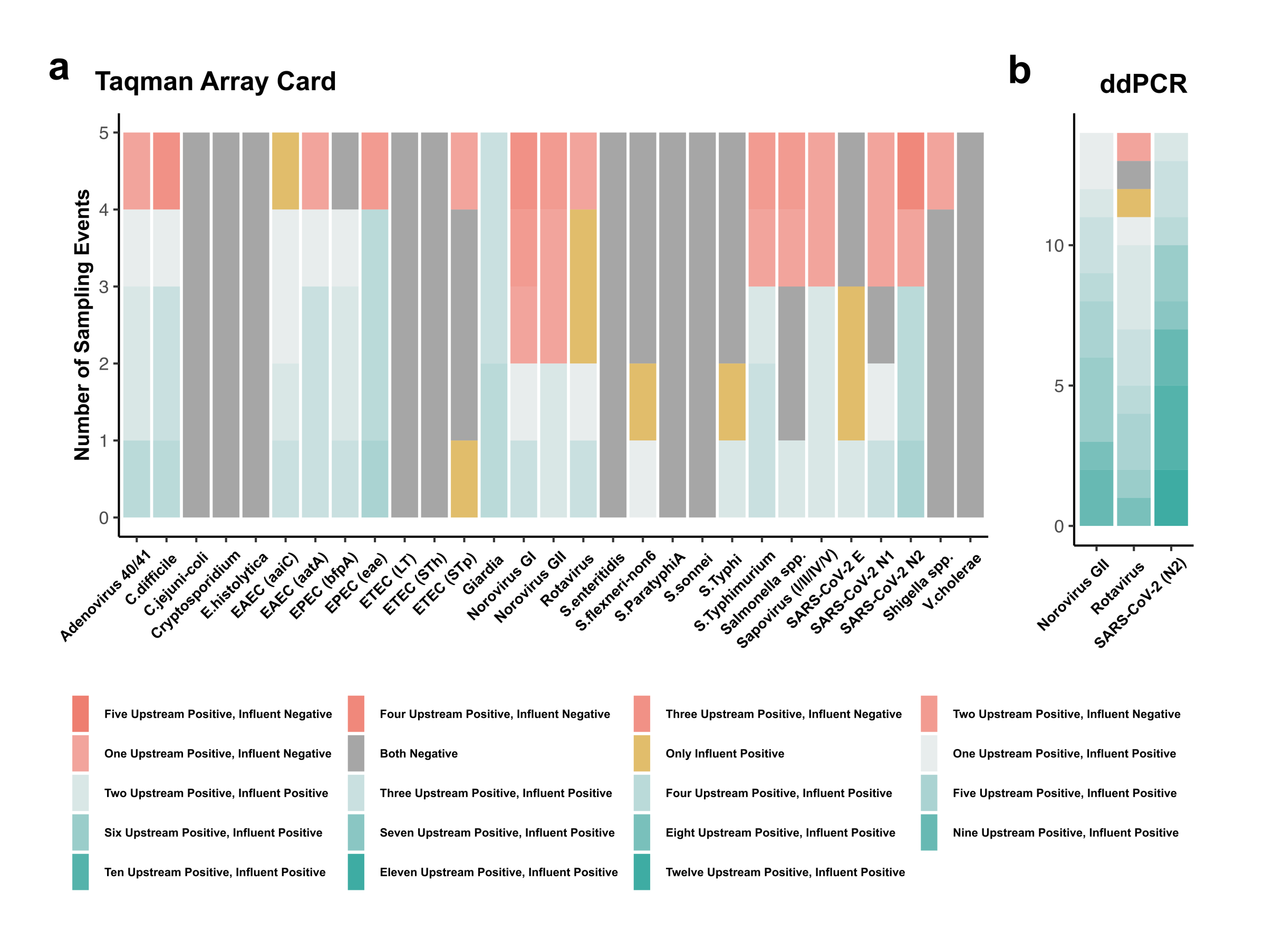
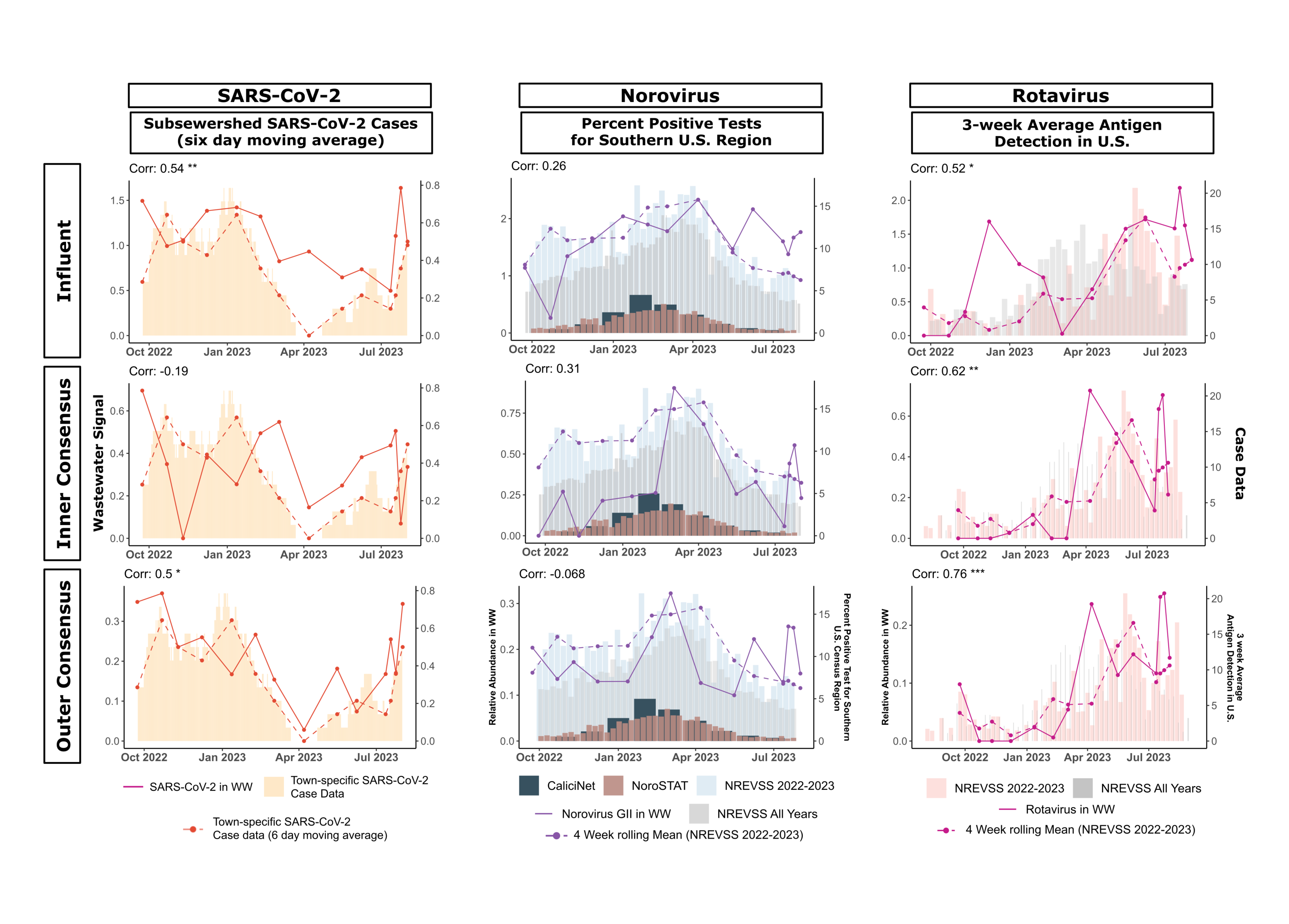
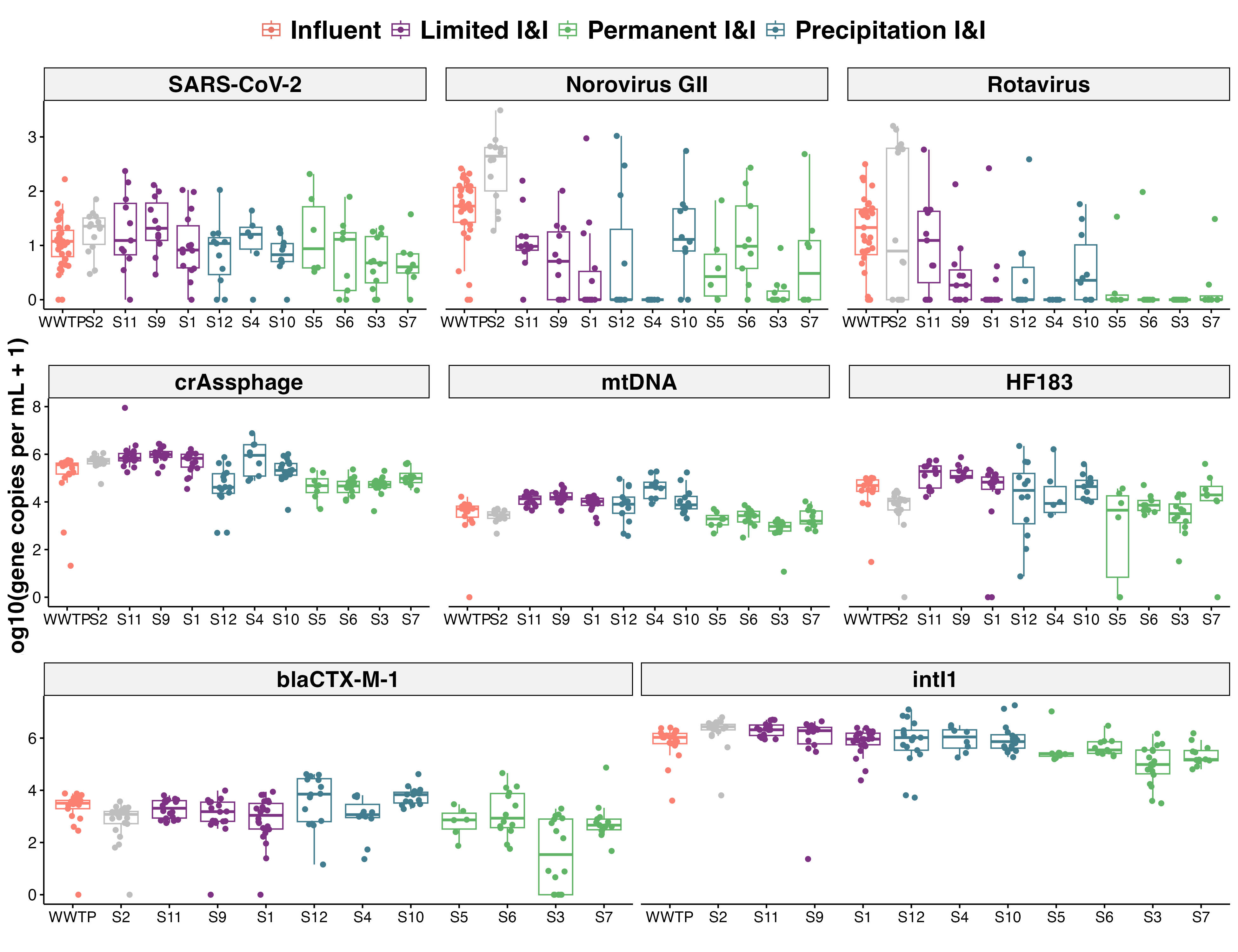
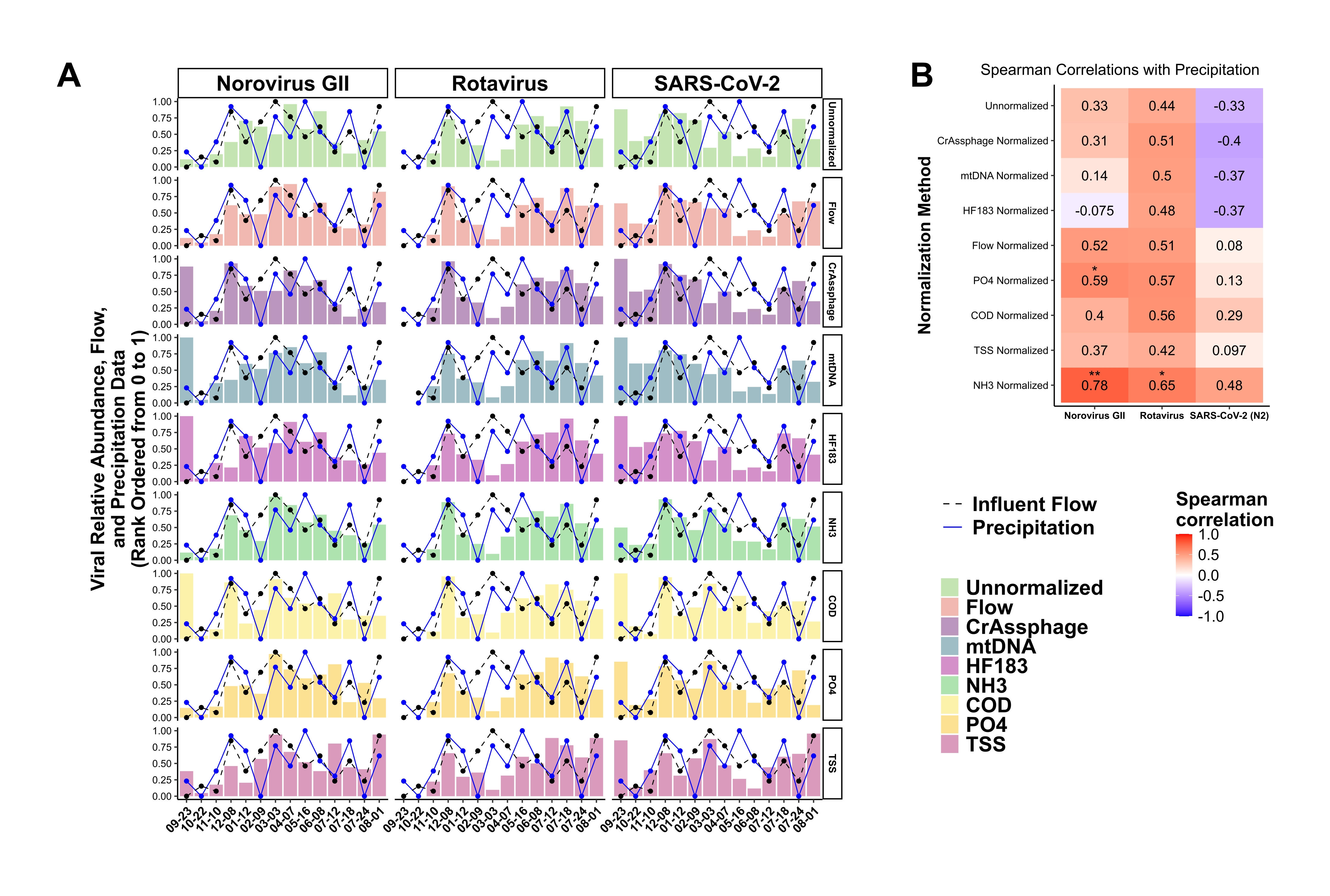
To evaluate whether wastewater could serve as a reliable metric for estimating community circulation of viruses and antimicrobial resistance (AMR) markers, even when sourced from aging and low-resource sewer collection networks, I led a 12-month wastewater monitoring study was conducted in a small, rural sewer conveyance system with pronounced infrastructural challenges. Our data indicated that WWTP influent sampling alone can still be used to assess and track community circulation of pathogens in heavily I & I impacted systems, particularly for ubiquitously circulating viruses less prone to dilution induced decay.
For a complete overview of my research experience, publications, and professional activities, download my CV below.
Selected data visualizations and other designs I have produced for scientific manuscripts or in my spare time. Most visualizations are generated with a code-first approach and many of them do not involve any manual post-processing steps.
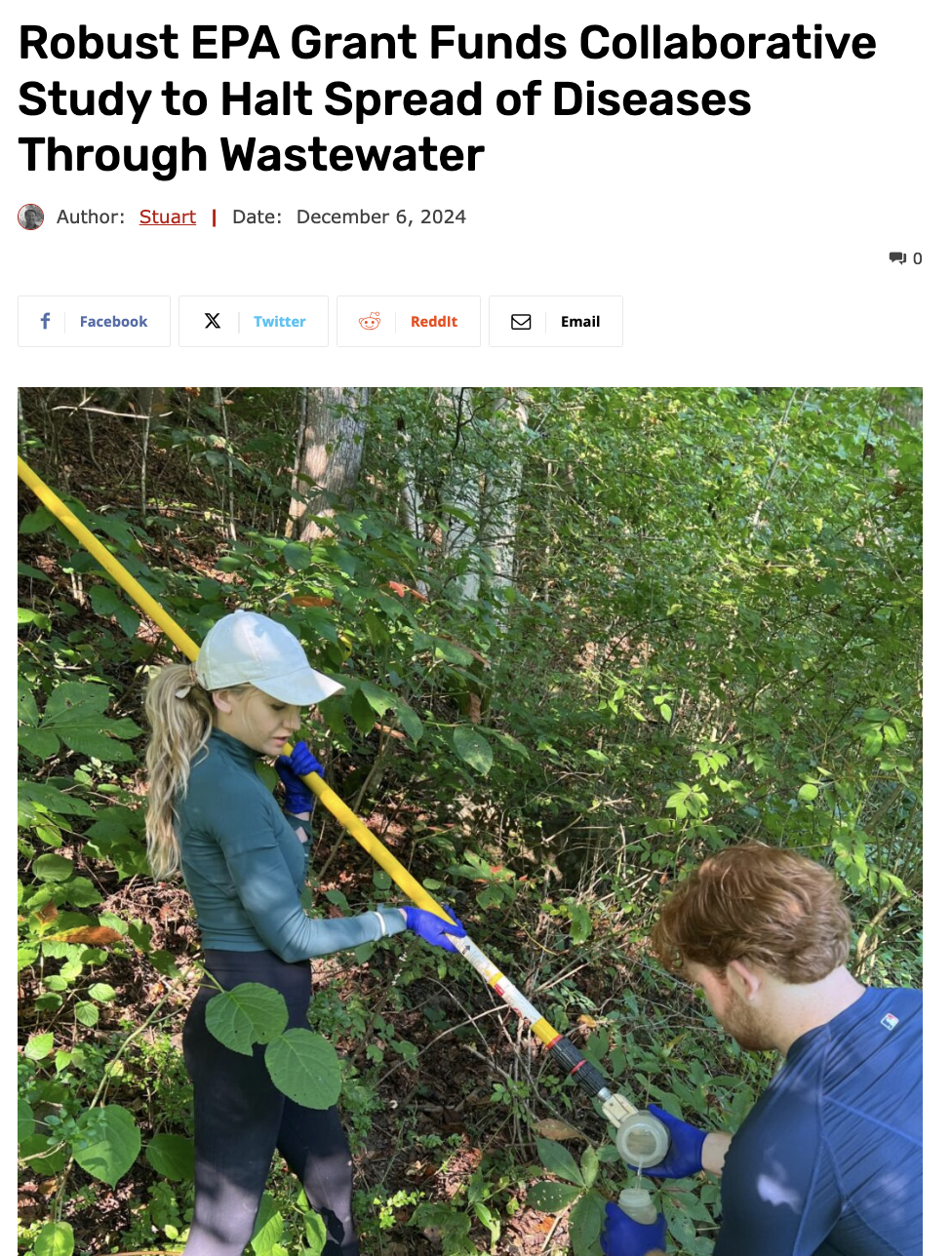
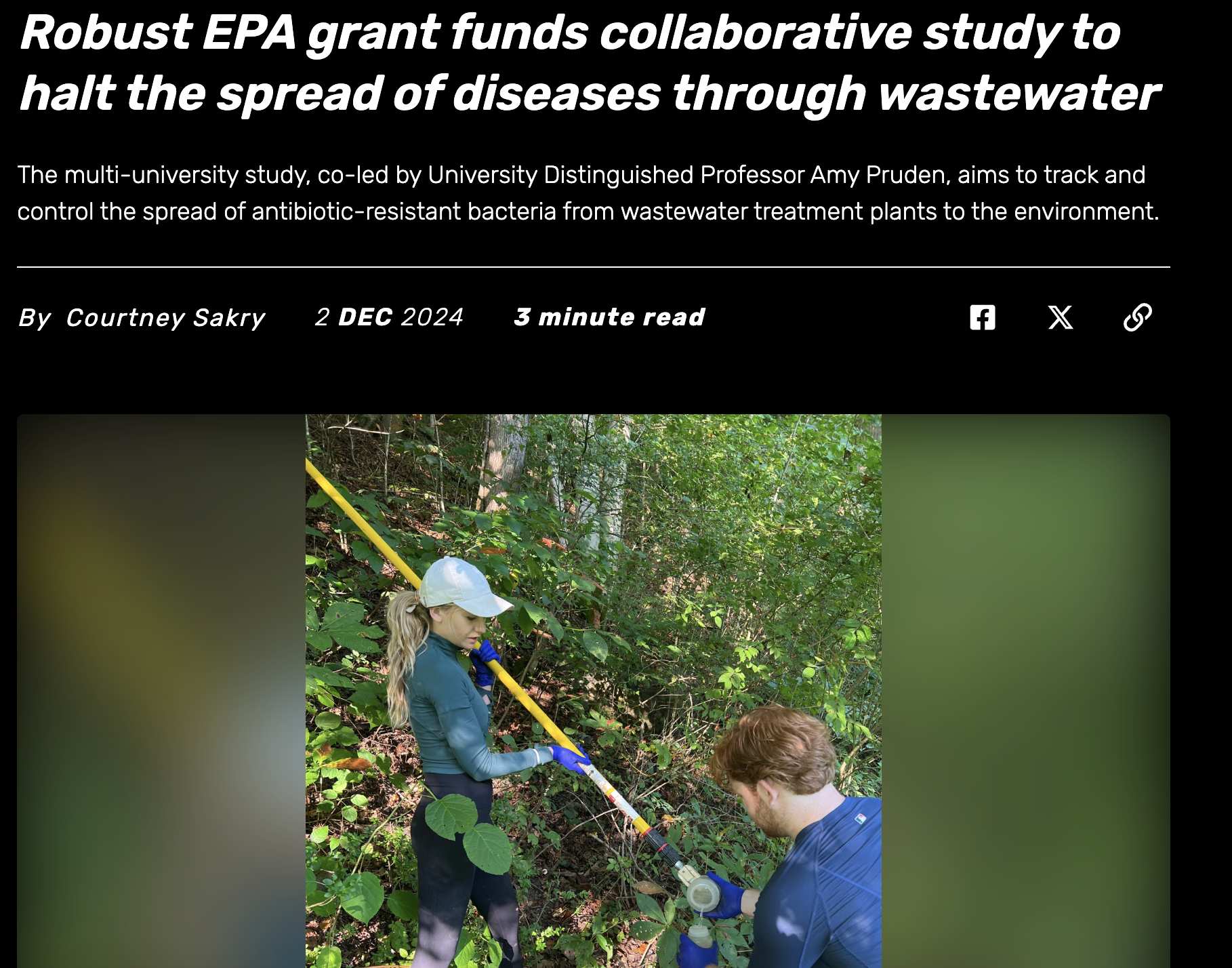
The Roanoke Star · December 6, 2024
Coverage of a collaborative wastewater surveillance study focused on tracking and preventing disease spread.
Virginia Tech News · December 2024
Virginia Tech coverage highlighting wastewater surveillance research related to antimicrobial resistance.
Phys.org · June 2023
Coverage of research on drinking water contaminants and related health disparities in rural Appalachia.
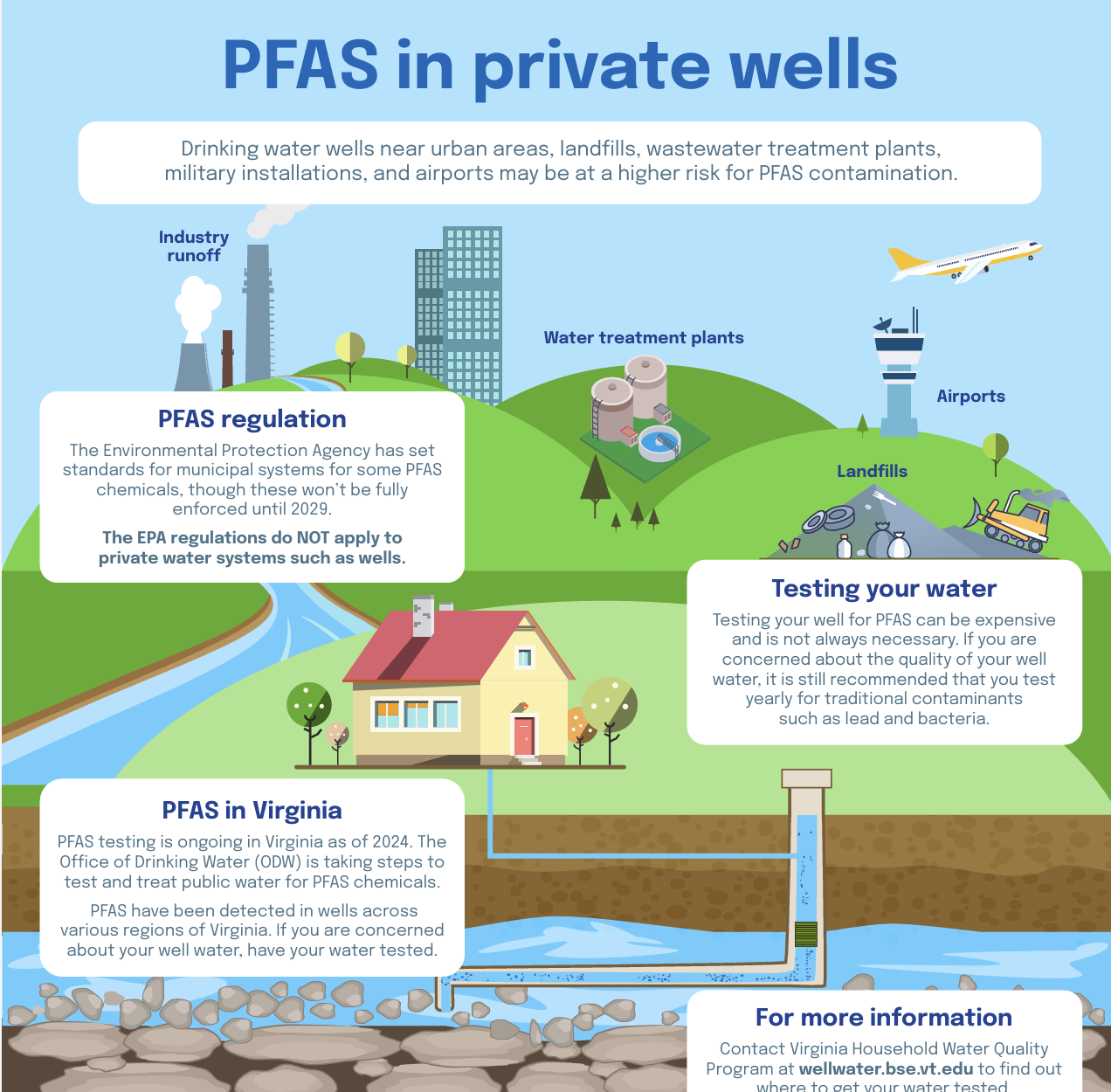
Virginia Tech Extension
Public-facing outreach resource communicating drinking water quality concepts for broader audiences.